


 Back to Blogs
How to Attract Birds to Your Backyard
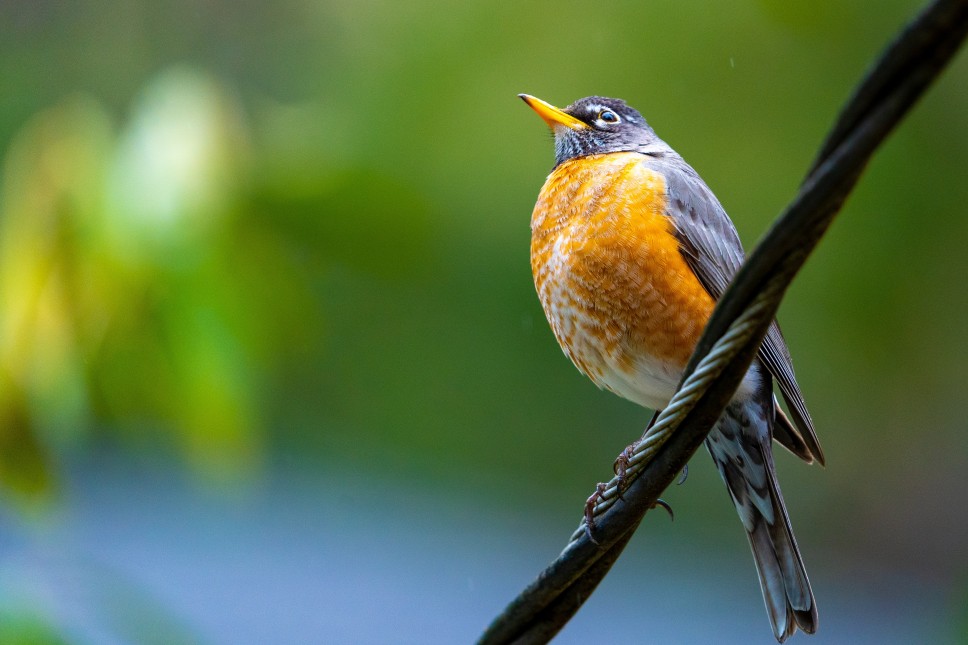
With home ownership comes a lot of advantages. Your garden and backyard bring plenty of new opportunities, and with that comes attracting creatures like birds and butterflies to enjoy your garden’s bounty! It’s wonderful starting your mornings or taking an afternoon break to look out your windows to see birds singing, and encouraging them into your yard is fairly simple. We’ve got a full list below for making your yard a bird’s dream home.
Attracting Birds to Feeders
In order to enjoy birds flitting around your yard, you need to bring the birds to your yard in the first place. Let’s break down the individual steps involved below.
Step One: Find a Bird-Friendly Section of Your Yard
Before you set out a feeder, you need to make sure your yard is prepped for birds! Eliminate any insecticide use before placing a feeder and plan to find an alternative way to deal with pests. Reducing open areas with sparse plant life is optimal. If you’re focusing on just one spot in your yard in particular, plan out how you’d like the landscaping to look in advance. Bring in layers of plant types for birds to choose their ideal habitats.
Step Two: Place Your Feeder
Place your feeder in a centrally-located spot with plenty of nearby rest areas for birds to hop to. It should have room for birds to navigate around from all exposed sides as well as plenty of space away from places where predators like foxes or cats could reach. Window-mounted feeders or standalone feeders with low-lying plants around the base work great!
Step Three: Add Various Seed Types
To cater to a variety of bird species, you’ll need to offer different types of seeds that appeal to a range of bird diets. If you can only invest in one type of seed, black sunflower seeds are likely your best bet for a crowd-pleaser. That being said, we’d recommend either buying a mix of seed types for one bird feeder or placing several bird feeders around your yard with different types of seeds in each.
You can buy premixed seed bags for birds, but we’d recommend mixing your own to reduce the amount of wasted seeds. Birds have their favorites, and often these mixed bags have fillers like wheat or milo. A mixed amount of millet, sunflower seeds and safflower seeds is great to attract different types of birds!
Step Four: Add a Water Source
Why not add a water source to make your yard a one-stop shop for birds? A birdbath serves dual purposes, allowing birds to clean off dust and have a good place to sip.
You’ll need to keep the birdbath clean to prevent visiting birds from getting sick from stagnant water. Drain it regularly and clean with a mild bleach solution (1 part chlorine bleach to 9 parts water). Let the bath dry completely before refilling.
Step Five: Plant Bird-Friendly Plants
Seeds in bird feeders are just one small component of a bird’s diet. If anything, they’re a light snack before their real meal: the native plants in your yard and beyond.
Iowa natives like sycamore or elm trees, black-eyed susans, phlox, sunflowers and goldenrod can bring beauty and plenty of birds to your yard.
Step Six: Incorporate Bird Housing
To discourage birds from nesting in your home’s gutters, roof, windows or eaves, provide sturdy housing for them around your yard. Making these homes a more tempting option than your own home is crucial to keeping your home’s exterior free from damage.
What you use for birdhouses is up to your personal taste. We do recommend you steer clear of overly colorful or decorative birdhouses, since these don’t mimic spaces birds would choose for themselves. A solidly-built box made of untreated wood will work perfectly. You can paint it, but make sure it’s animal-safe paint and in earth tones that mimic nature.
It’s also worth noting that not all birds use birdhouses. If you’re hoping to attract a particular type of bird to live nearby, do your research on their nesting habits and preferred habitats!
Clean Feeders and Spilled Seeds
Just like us, birds have their preferences. That means you may have some picky eaters who leave seeds spilled around the feeder and your yard. Cleaning these up regularly is the difference between a yard full of birds and a yard full of birds, squirrels, foxes and plenty of other local wildlife.
Keeping bird feeders themselves clean can also protect birds from sick birds who may stop for a snack at your feeder. Hygiene is just as important for them as it is for us!
Beautiful Yard, Beautiful Home
Now that your yard is set up to be a bird haven, why not enjoy it? Through our windows, you’ll be able to birdwatch to your heart’s content knowing your home is comfortable and insulated while still providing the natural views you’ve sought out. Looking for the perfect window to birdwatch from? Our qualified team has you covered. Get in touch to learn more today!