


 Back to Blogs
12 Red Flags to Watch Out For When Buying a Home
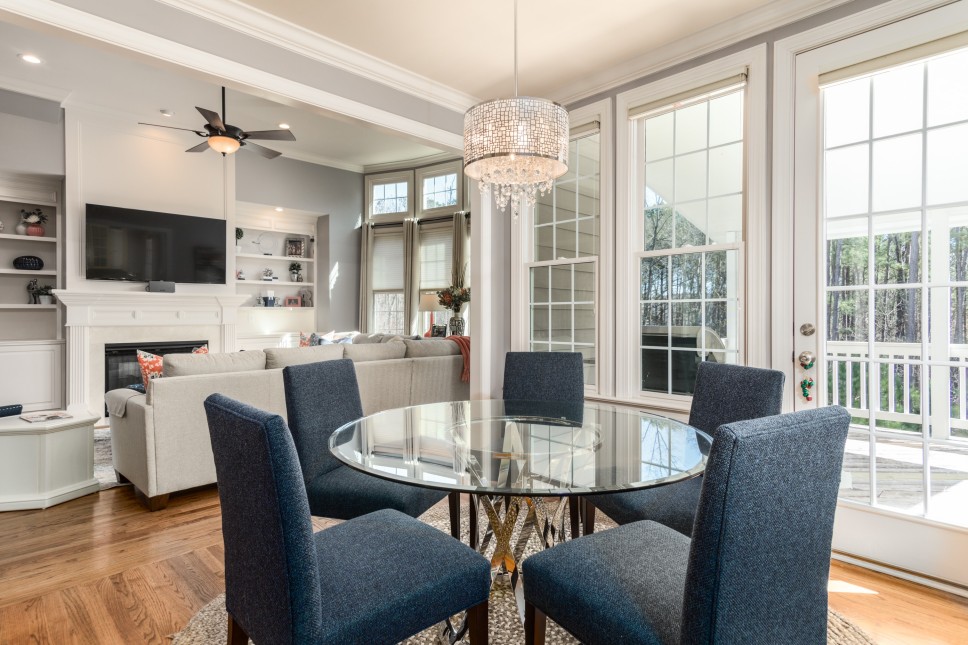
Purchasing a new home unlocks a new chapter of your life filled with promise and excitement. While it’s important to make sure a home has the right amount of rooms and fits your taste when doing a walkthrough, it’s just as valuable to make sure it doesn’t have any alarm bells going off that signal future repair costs. Discover some common red flags to keep an eye out for when touring a home to make sure you get the best deal possible.
Problems to Look For When House Hunting
As you begin your home-buying journey, watch out for the following small warnings that indicate big problems later on.
1. Stress Cracks In the Foundation
A few hairline cracks aren’t a cause for concern, but if the home has large gaps in the foundation, there may be a big issue. These can cause the home to look unattractive and create space for mold or vermin to hang out. To see if the cracks are impacting the foundation, check if the doors open and close properly.
2. Neighbor Houses Are Also Selling
As you pull up to an open house, look around to see if there’s an army of “For Sale” signs in the neighborhood. This can be an indicator that there’s upcoming construction or that the home is near an area with increased crime rates. Research the neighborhood to get a sense of why everyone is leaving. In some cases, it may simply be an area of older residents who are looking to downsize or relocate.
3. Windows Need Replacing
Condensation buildup on windows is a red flag since it signals that air is escaping the home due to failing seals. When left untreated, this can lead to higher utility bills and strain on HVAC systems. Homes that require new replacement windows should be discussed prior to the sale. Window World of Des Moines is happy to provide a free estimate to the seller.
4. Traces of Mold
A fresh layer of paint or strong air fresheners can be indicators that a homeowner is trying to cover up signs of mold. During your home tour, check common areas where water builds up, like underneath the sink and along the windowsill, to see if you can spot any mold. Small gray or black spots signal this uninvited guest is lurking.
5. DIY Additions
Often homeowners look to save money by completing house projects themselves, but when done incorrectly, this can lead to a big financial burden. Without professional oversight, home additions may contain plumbing, wiring and structural defects. If you notice a home has a recently added room or another project, find out whether it was done professionally.
6. Insect Infestations
Pests in your home are something that often require outside help to eliminate. To avoid this nightmare, search for a home free of insect droppings and existing insect infestations. Check wooden walls, floors and ceilings for chipping and other signs of termite damage.
7. Water Stains
Water stains on the ceiling may be evidence of plumbing issues on the upper level. When these appear on your interior walls, it can mean there’s rot or mold growing. If a home you’re interested in has water stains, find out what the cause is before making an offer.
8. Aging Siding
During your house tour, don’t forget to examine the outside to see if the siding is warping, missing pieces or showing signs of mold. If the siding is installed incorrectly, it can age faster and deteriorate. Find out when the siding was last replaced to determine if it will need to be updated fairly soon.
9. Sloping Floors
If walking across the room feels like you’re on a sailboat, the home may be experiencing structural issues. To check for sloping floors while visiting homes, bring a level or drop a marble and see if it rolls. Floors that slope can be a sign that the house has foundation problems or the wooden supports are rotting, both of which are costly fixes.
10. Standing Water In the Yard
Proper drainage prevents floodwater from accumulating inside your home. You can find out if the house you like drains well by driving by after it rains. A few puddles are nothing to worry about but if you see major water buildup near the foundation, this can be concerning since it could leak into the home.
11. Aging HVAC System
When looking at a home, pay attention to how old the HVAC system is. HVAC systems are something homeowners need to replace every 20-30 years to care for their homes. If property owners are neglecting routine home maintenance like this, it can lead to numerous tasks and problems for you down the road.
12. Lengthy Periods on the Market
On average, a home typically spends two months on the market. Homes listed for longer than this or with several price reductions can be a red flag that it has hidden problems. However, if the home passes an inspection and has been on the market for a while, you can negotiate for a lower price.
Personalize Your New Home With Window World Products
Using these red flags as guideposts, you can hopefully find a home that meets your needs and doesn’t come with a laundry list of DIY projects. Once you move into your new house, consider adding new windows, doors or siding to transform your new home to fit your tastes.
Your friends at Window World of Des Moines are ready to help you find the best addition for your house. Get in touch with one of our expert team members to discuss your options.